


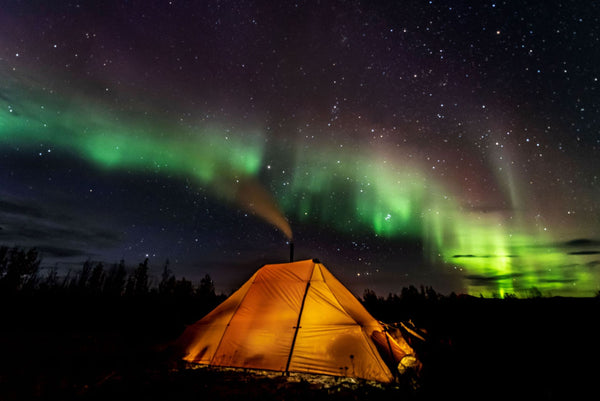
Fall Backpacking Safety: Preparing for the Most Underrated Season in the Backcountry
Fall Backpacking Safety: Preparing for the Most Underrated Season in the Backcountry
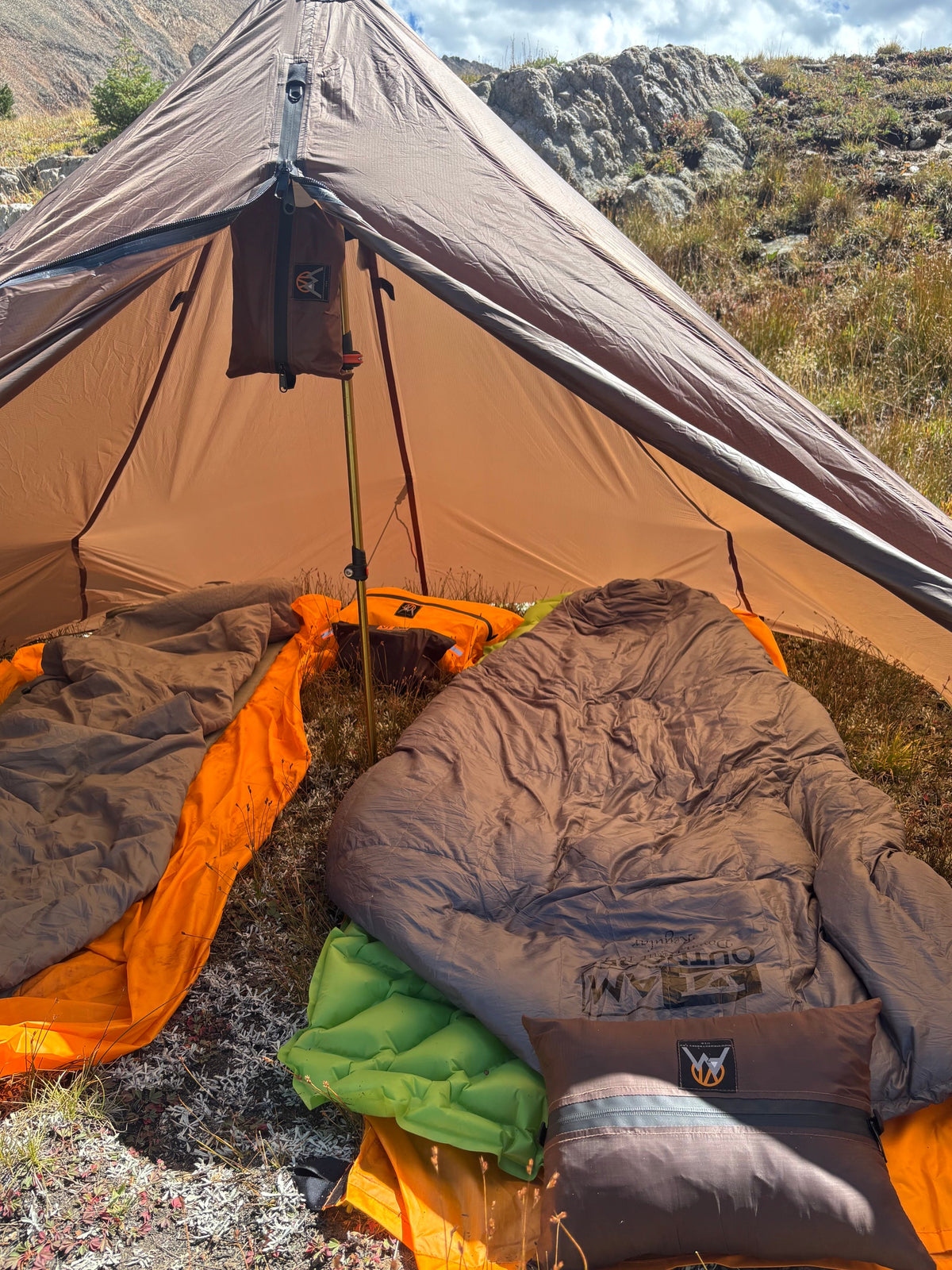
For many outdoor enthusiasts, fall is the perfect backpacking season. The summer crowds begin to disappear, temperatures become more comfortable, insects fade away, and mountainsides burst into shades of gold, orange, and red. Whether you're chasing changing aspens in the Rockies or exploring remote backcountry trails during hunting season, autumn offers some of the year's most rewarding adventures.
However, fall also introduces unique risks that many backpackers underestimate. Rapid weather changes, shorter daylight hours, and colder nights require extra preparation. Before heading into the backcountry this season, consider these important safety factors.
Don't Let Comfortable Daytime Temperatures Fool You
One of the biggest mistakes fall backpackers make is planning for daytime conditions while forgetting about nighttime temperatures.
A sunny afternoon in October might reach 65 degrees, but temperatures can easily drop below freezing after sunset, especially at higher elevations. Always check both daytime highs and overnight lows before your trip.
Make sure your sleep system is appropriate for the coldest temperatures you could encounter, not just the temperatures you expect.
Weather Can Change Fast
Fall weather is notoriously unpredictable.
A beautiful bluebird morning can quickly transform into rain, wind, sleet, or even snow at higher elevations. Mountain weather becomes increasingly volatile as winter approaches, and storms often arrive with little warning.
Before leaving home:
- Monitor forecasts for your entire trip.
- Check weather conditions for the specific elevation you'll be visiting.
- Pack rain gear even if the forecast looks favorable.
- Have backup routes and exit plans.
Good backpackers prepare for the weather they might face, not the weather they hope for.
Daylight Is Disappearing
As fall progresses, daylight hours shrink considerably.
Trips that feel comfortable during summer may require different planning once sunset arrives earlier in the evening. Losing daylight while still miles from camp can create unnecessary risk.
To account for shorter days:
- Begin hiking earlier.
- Carry a reliable headlamp.
- Pack extra batteries or a backup light source.
- Leave extra time for navigation and camp setup.
Darkness arrives quickly in mountain valleys and forested terrain.
Dress in Layers
Fall weather often requires multiple clothing adjustments throughout the day.
You may begin hiking in near-freezing conditions, warm up significantly during a climb, and cool down again when the sun disappears behind a ridge.
A versatile layering system should include:
- Moisture-wicking base layers
- Lightweight insulating layers
- Wind-resistant outer layers
- Waterproof rain gear
- Warm hat and gloves
Layering allows you to regulate body temperature efficiently and stay comfortable throughout changing conditions.
Stay Hydrated
Cooler temperatures can reduce the feeling of thirst, but your body's hydration needs remain important.
Many backpackers unintentionally become dehydrated during fall trips because they're sweating less noticeably than during summer.
Drink consistently throughout the day and carry enough water treatment capability to accommodate changing conditions.
Hunting Seasons Require Awareness
Fall backpacking often overlaps with major hunting seasons throughout much of North America.
If you're traveling through public land that permits hunting, it is wise to make yourself visible.
Consider:
- Wearing blaze orange clothing
- Displaying bright colors on packs or trekking poles
- Familiarizing yourself with local hunting regulations and seasons
- Being aware of increased activity near trailheads and access roads
Hunters and backpackers frequently share public lands successfully when both groups practice awareness and respect.
Wildlife Activity Increases
Autumn is an active time for wildlife.
Many species are preparing for winter, gathering food, migrating, or entering breeding seasons. Animals can behave differently during this time of year than they do during summer.
Backpackers should:
- Store food properly
- Maintain safe distances from wildlife
- Avoid surprising animals on trails
- Be especially cautious in areas known for bear activity
Wildlife encounters are often highlights of a trip, but they should always occur from a respectful distance.
Navigation Becomes More Important
Fallen leaves can hide established trails, while early-season snow can obscure markers and footprints.
In remote areas, navigation challenges increase significantly during fall.
Always carry:
- Physical maps
- Compass
- GPS device or navigation app
- Backup power source
Technology is helpful, but it should never be your only navigation method.
Be Prepared for Cold-Related Emergencies
While hypothermia is often associated with winter, it frequently occurs during fall.
Cool temperatures combined with rain, wind, and fatigue can create dangerous conditions surprisingly quickly.
Watch for warning signs such as:
- Excessive shivering
- Slurred speech
- Loss of coordination
- Confusion
- Unusual fatigue
If these symptoms develop, focus immediately on shelter, dry clothing, food, and warming the affected person.
Know When to Adjust Your Plans
Perhaps the most important fall backpacking skill is flexibility.
If weather deteriorates, temperatures drop unexpectedly, or trail conditions worsen, don't hesitate to shorten your trip or turn around.
The mountains, forests, and trails will still be there next weekend.
Final Thoughts
Fall may be the most rewarding backpacking season of the year. Crisp mornings, colorful landscapes, fewer crowds, and ideal hiking temperatures create unforgettable adventures for those willing to venture outdoors after summer ends.
Yet autumn demands respect. Shorter days, colder nights, changing weather, and seasonal hazards require careful preparation and sound judgment.
With the right gear, proper planning, and a flexible mindset, fall backpacking can provide some of your most memorable experiences in the backcountry. Embrace the season, enjoy the changing landscape, and remember that the best trips are the ones that end with stories shared safely around a warm campfire.

Leave a comment
This site is protected by hCaptcha and the hCaptcha Privacy Policy and Terms of Service apply.