


How Smart Gear Organization Changes the Way You Hike and Camp
How Smart Gear Organization Changes the Way You Hike and Camp
Dialing in Your Pack: How Smart Gear Organization Changes the Way You Hike and Camp
If there’s one lesson experienced hikers and campers learn early, it’s this: how you pack matters just as much as what you pack. A poorly organized backpack turns even the best trail days into frustrating ones—digging for gear, fighting shifting weight, and carrying things you never use.
Thoughtful pack organization, especially through the use of pack organization bags like our G3’s and B3’s, can dramatically improve comfort, efficiency, and overall enjoyment on the trail. When combined with intentional gear selection, it’s one of the easiest ways to upgrade your backcountry experience without adding weight.
Why Pack Organization Is More Than Just Convenience
At first glance, organization feels like a luxury. But on longer hikes or multi‑day trips, it becomes essential.
An organized pack allows you to:
- Access critical items quickly
- Keep moisture and dirt contained
- Prevent gear from shifting while you move
- Maintain balance and stability over long miles
For hikers using modern backpacking gear and packable camping gear, organization is what allows lightweight systems to actually feel light on your body—not just on a scale.
The Role of Pack Organization Bags
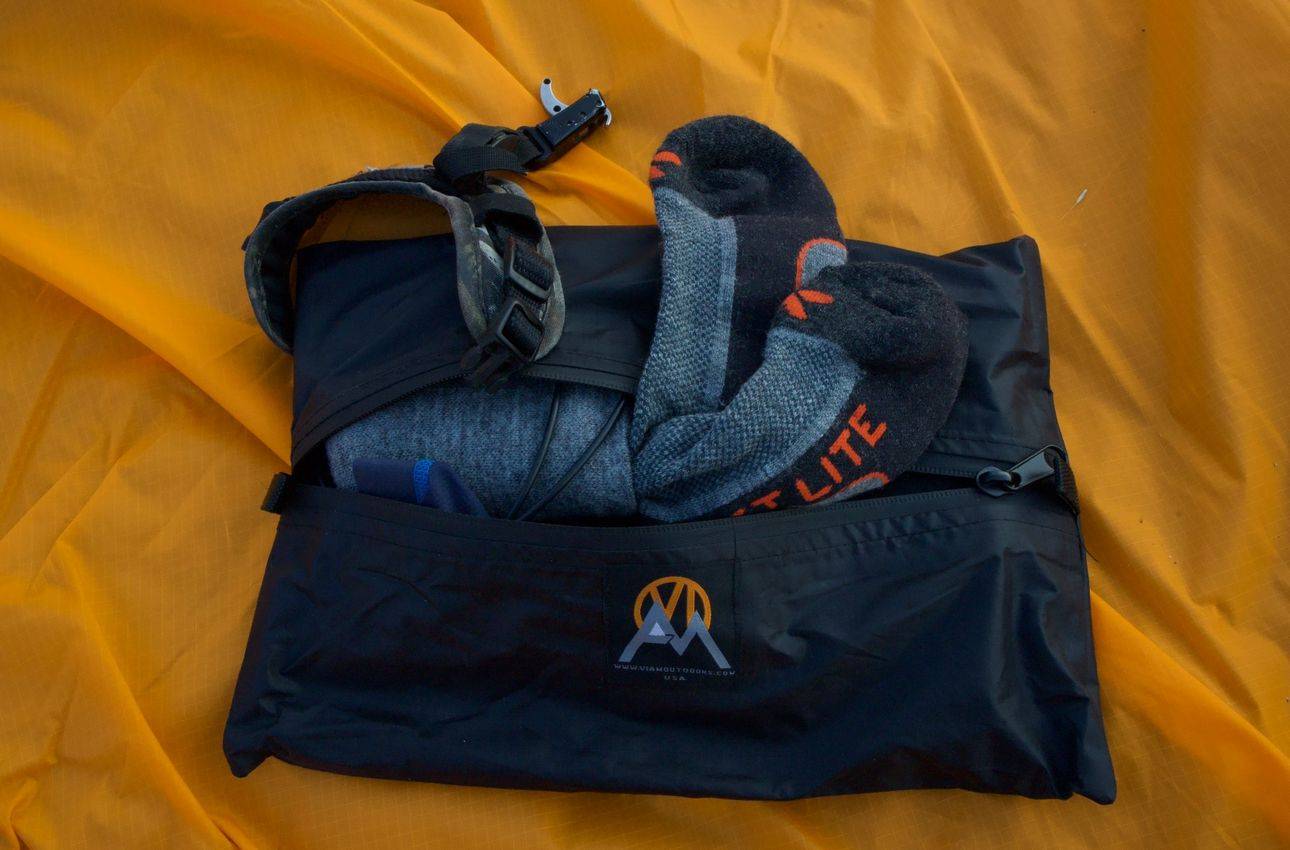
Pack organization bags help separate your kit into functional systems: sleep, shelter, clothing, food, and tools. This separation reduces chaos and improves efficiency, especially when setting up or breaking camp.
Pros of Pack Organization Bags
1. Faster Access, Less Frustration
Instead of unpacking half your bag to find a headlamp or rain layer, packing systems let you reach exactly what you need, when you need it—especially useful in bad weather or low‑light conditions.
2. Better Weight Distribution
Organization allows you to place heavier items close to your center of gravity and keep lighter gear properly balanced. This leads to better posture and less fatigue, particularly with long‑distance hikes.
3. Protects Lightweight Gear
Many pieces of lightweight camping gear and ultralight camping shelters are durable but thin. Organization bags help prevent abrasion, punctures, and unnecessary wear during transport.
4. Encourages Minimalism
When your gear has designated space, it becomes immediately obvious what’s essential and what’s dead weight. This naturally leads to smarter packing choices and weight reduction.
Cons to Consider
1. Potential for Over‑Organization
Too many bags can add unnecessary weight and complexity. If every item has its own pouch, organization starts working against simplicity.
2. Added Weight (If Poorly Chosen)
Cheap or overbuilt organizers can cancel out the benefits of an ultralight setup. Organization should complement, not compromise, your lightweight system.
3. Reduced Flexibility
Rigid systems can make it harder to adapt your pack to different trip lengths or gear changes unless you keep it modular.
The key is balance—using organization bags sparingly and intentionally so they enhance your system rather than complicate it.
Weight Reduction Starts With Necessity
One of the biggest advantages of organized packing is how clearly it exposes redundancy. When everything has a role and location, unnecessary gear stands out.
Experienced hikers often reduce pack weight not by buying new gear, but by:
- Eliminating duplicate items
- Choosing multi‑use tools
- Adapting gear selection to trip length and conditions
This is how durable outdoor gear shines. High‑quality, purpose‑built equipment often replaces multiple items with a single reliable solution, reducing both weight and volume.
Cutting weight isn’t about suffering—it’s about efficiency. Carrying only what you need allows you to move better, recover faster, and enjoy more miles with less strain.
Making Gear Fit Better Means Carrying Weight Better
A well‑organized pack doesn’t just weigh less—it carries better.
When gear is compressed and arranged efficiently:
- The pack stays closer to your body
- Weight shifts less while hiking
- Pressure points are reduced
This is especially important when carrying packable camping gear and modern ultralight setups. Soft items like quilts and shelters can be used to fill dead space, stabilize hard items, and create a custom fit inside your pack.
The result is smoother movement, improved balance, and fewer sore spots at the end of the day.
Organization Improves Camp Life Too
Efficiency doesn’t stop when the hiking does. A clean packing system makes camp setup faster and less stressful, particularly after long or demanding days.
With organized gear:
- Shelters and sleep systems deploy smoothly
- Wet or dirty gear stays separate
- Morning breakdowns take minutes instead of frustration
When camp feels efficient, energy stays high—and on multi‑day trips, that energy matters.
Final Thoughts: Organization Is a Force Multiplier
Good pack organization doesn’t mean carrying more—it means carrying smarter. When combined with intentional gear selection, Pack organizers transform backpacking gear from a burden into a system that works with your body instead of against it.
Using well‑chosen pack organization bags helps reduce weight, improve balance, protect outdoor gear, and streamline both hiking and camping routines. The end result isn’t just a lighter pack—it’s a better experience from trailhead to camp and back again.
As with all things in the backcountry, simplicity wins. Carry only what you need, organize it well, and let the miles feel easier because of it.

Leave a comment
This site is protected by hCaptcha and the hCaptcha Privacy Policy and Terms of Service apply.