


Packing for the Backcountry: Building a System That Survives Weather, Miles, and the Unknown
Packing for the Backcountry: Building a System That Survives Weather, Miles, and the Unknown
Backcountry travel has a way of humbling anyone who shows up unprepared. The mountains don’t care how strong you are. What matters is how well you pack — because once you’re deep in the timber or above the tree line, your gear becomes your lifeline.
Packing isn’t about throwing everything you might need into your pack. It’s about knowing exactly what you Will need, anticipating weather shifts, and building a kit that keeps you comfortable, safe, and mobile from the first step to the last.
🌡️ Think in Temperature Ranges, Not Single Forecasts
Weather in the mountains is never static. A bluebird morning can turn into hail by noon and frost by nightfall. Instead of packing for the forecast, pack for the range.
- Temperature swings — Expect 30–40° shifts in a single day.
- Layering system — Base layer, mid layer, insulation, and shell.
- Storm prep — Always assume one unexpected storm.
Your clothing should be modular. Every piece should work with every other piece. If one layer fails, the system still functions.
🎒 Build Your Pack Around the Essentials
Everyone's kit looks a little different, but the essentials never change. These are the non‑negotiables — the gear that keeps you alive, fed, and moving.
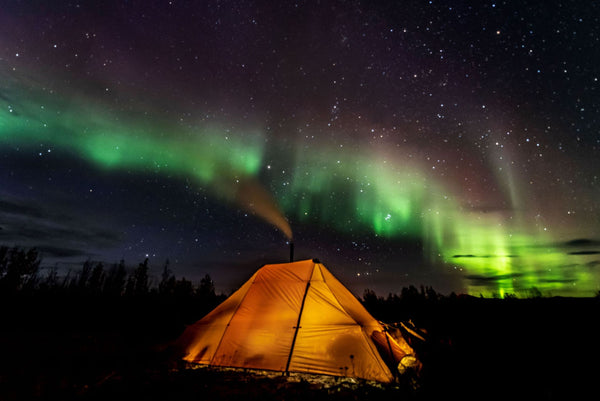
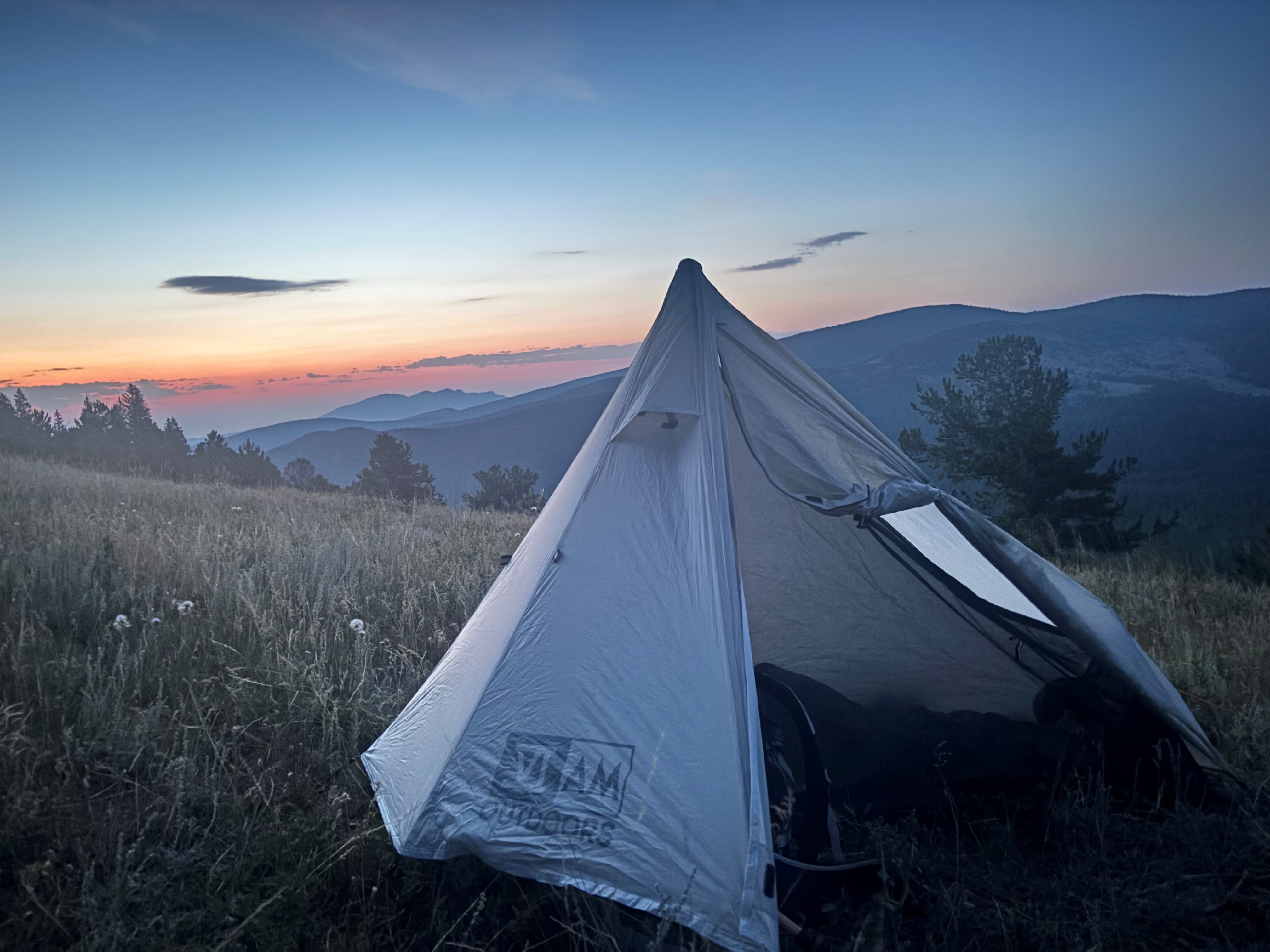
- Shelter — Ultralight tents keep weight down while staying storm‑ready.
- Sleep system — Rated for the coldest temps you expect, not the warmest.
- Water plan — Filter + backup purification.
- Food — High‑calorie, low‑bulk meals that keep you fueled.
- Navigation — GPS + map + compass.
- Emergency gear — Headlamp, fire starter, med kit, repair kit.
Everything else is optional. These items are not.
📦 Pack With Purpose: Weight, Balance, and Access
A well‑packed bag carries easier, moves quieter, and keeps you safer.
- Heavy items ride high and close to your spine.
- Quick‑access gear goes in the lid or outer pockets.
- Weather layers should be reachable without unpacking.
- Food and water stay centered for balance.
Packing is a skill — and the more intentional you are, the easier the miles become.
🌧️ Prepare for Weather Shifts Before They Happen
Those who stay comfortable are the ones who think ahead.
- Rain gear isn’t optional. Even a light drizzle can chill you fast.
- Insulation should always be packed, even on warm hunts.
- Dry bags protect your sleep system and spare clothes.
- Gloves and beanie weigh almost nothing but make cold mornings bearable.
- Wind protection matters more than people think — wind steals heat faster than cold.
Weather doesn’t ruin trips. Lack of preparation does.
🔥 Build a System You Trust
The best backcountry travelers don’t pack more…. They pack smarter. They know their gear, they’ve tested it on smaller trips, and they’ve dialed in a setup that works for them.
Take the time constantly shake down your pack, and figure out what actually earns its place. The more you refine your system, the more confident you’ll be when you step into the mountains with miles ahead of you.

Leave a comment
This site is protected by hCaptcha and the hCaptcha Privacy Policy and Terms of Service apply.