


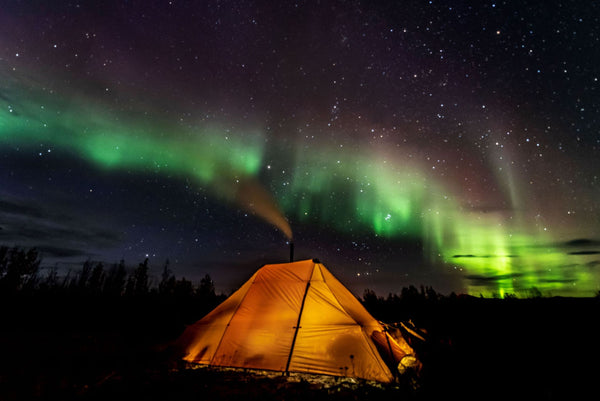
Planning the Season: How Smart Timing and Location Choices Elevate Every Backpacking Trip
Planning the Season: How Smart Timing and Location Choices Elevate Every Backpacking Trip
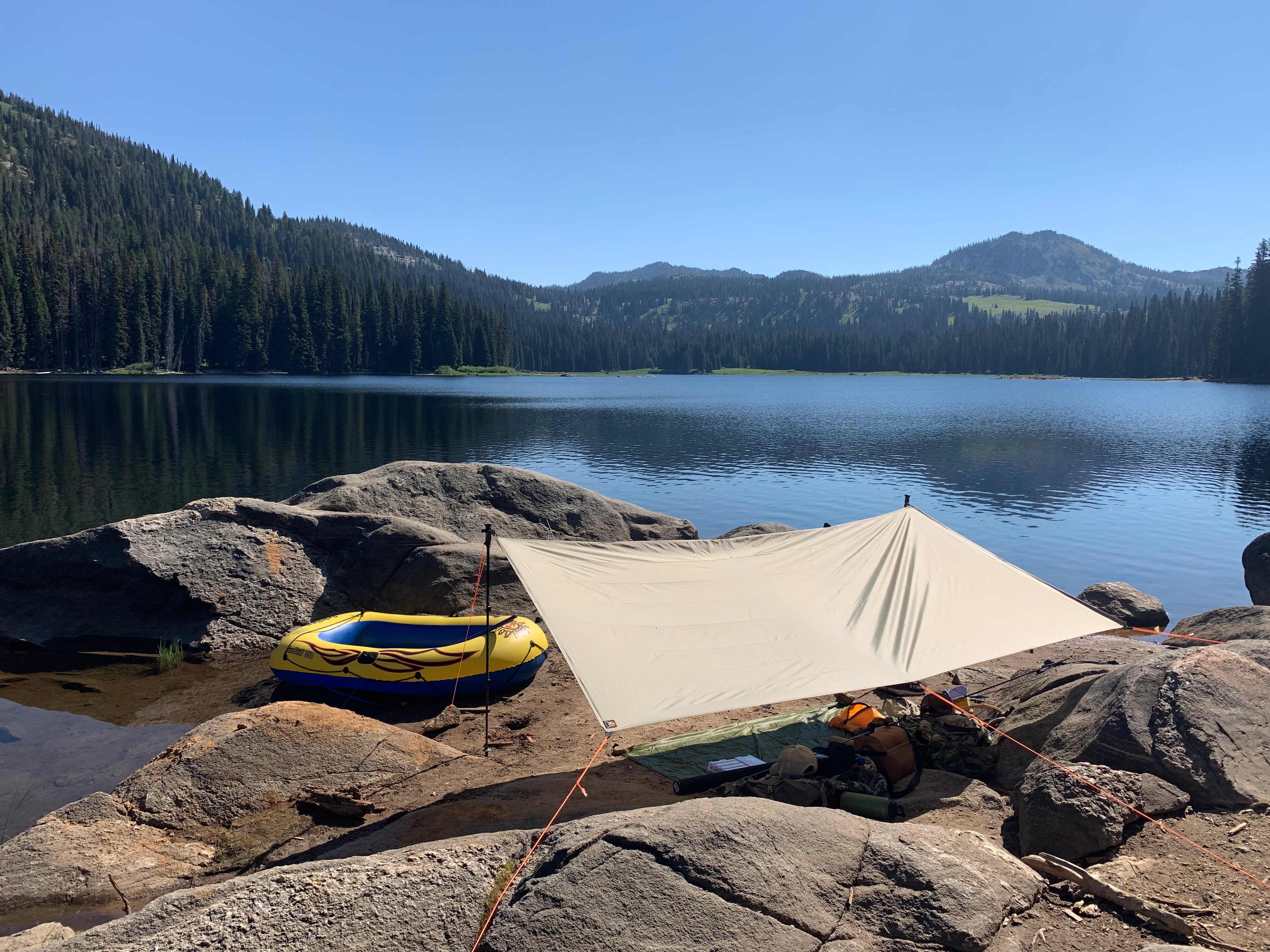
Planning the Season: How Smart Timing and Location Choices Elevate Every Backpacking Trip
One of the biggest shifts that happens as hikers and campers gain experience isn’t about going farther, it’s about going smarter. The most memorable trips aren’t always the longest or the hardest. They’re the ones planned around the right place, at the right time, with gear and expectations that match the season.
Seasonal planning is what transforms a few scattered trips into a full, intentional year of backpacking and camping. When done well, it allows you to see more, move better, and spend your limited time outdoors exactly how you want.
Choosing the Right Season for What You Want to Experience
Every season offers something different and understanding that is the foundation of smart trip planning.
Spring: Transition and Water
Spring trips are about timing and patience. Lower elevations come alive early, while higher terrain remains locked in snow. This season is ideal for:
- Waterfalls and swollen rivers
- Wildflower blooms at lower elevations
- Cooler temperatures for longer mileage days
Spring rewards flexible plans and packable camping gear that accommodates wet conditions and changing forecasts.
Summer: Access and Distance
Summer opens the most terrain. Snow melts away, alpine routes become accessible, and daylight stretches into long evenings. This is the season for:
- High‑elevation basins and ridgelines
- Multi‑day backpacking loops
- Long mileage days
Because summer often means heat, exposure, and bigger objectives, lightweight camping gear and ultralight camping shelters play a major role in staying efficient and comfortable.
Fall: Clarity and Comfort
Fall offers some of the most rewarding backpacking conditions of the year. Cooler temperatures, fewer people, and dramatic landscapes define the season. Ideal for:
- Crisp nights and active days
- Wildlife activity
- Photogenic terrain
Fall trips benefit from durable outdoor gear that handles cooler temperatures without returning to winter‑level bulk.
Winter: Precision and Commitment
Winter is a season for specialization. Fewer locations are accessible, but the solitude and beauty are unmatched. Planning is critical, as mistakes are less forgiving. Winter trips demand experience, careful weather windows, and a strong understanding of how your gear performs in extreme conditions.
Selecting Locations That Match the Season
Maximizing your outdoor time means selecting locations deliberately. Instead of focusing on one destination all year, match places to seasons.
- Shoulder seasons work best at lower elevations
- Summer shines in alpine and exposed terrain
- Cold months favor protected zones and shorter approaches
Rotating locations based on season allows you to extend your hiking calendar without fighting weather or carrying unnecessary gear. This strategy also lets your backpacking gear stay streamlined instead of constantly adapting to inappropriate conditions.
Preparing for Temperature Swings—Even in Summer
One of the most common mistakes in seasonal planning is underestimating temperature variation. Summer trips routinely swing from hot afternoons to cold nights, especially at altitude.
Preparation doesn’t mean packing more, it means packing smarter. Key strategies include:
- Choosing versatile layers instead of single‑purpose items
- Using shelters that manage airflow and weather effectively
- Prioritizing lightweight camping gear that performs across a range of conditions
The goal is adaptability. When your system can handle both heat and cold without significant weight changes, trip planning becomes much easier.
Using Gear Strategy to Extend Your Season
Your gear choices often dictate how long your season lasts. A dialed‑in kit lets you push earlier into spring, deeper into fall, and more comfortably through summer extremes.
Modern ultralight camping shelters and packable camping gear allow hikers to:
- Travel faster with less energy output
- Adjust plans mid‑trip as conditions change
- Spend more total days outside without burnout
Durability matters here too. Replacing fragile items mid‑season disrupts momentum, while reliable durable outdoor gear keeps your plans intact week after week.
Maximizing Time by Spending It Well
It’s easy to think maximizing your season means more trips. In reality, it means better trips.
Well‑planned travel allows you to:
- Reduce time lost to poor conditions
- Spend longer days where they count
- Choose itineraries that match seasonal daylight
Instead of rushing through unfavorable conditions, intentional planning helps you linger where the experience is at its peak. This is where seasoned backpackers gain the biggest advantage—not by pushing harder, but by picking smarter windows.
Building a Seasonal Mindset
Seasonal planning isn’t rigid, it’s responsive. Pay attention to recent weather patterns, snowpack levels, and trail reports. Adjust expectations and gear accordingly.
As your understanding grows, your trips become less reactive and more fluid. You start to anticipate changes instead of responding to them, and your backpacking gear becomes a well‑tuned system rather than a collection of compromises.
Final Thoughts: Let the Seasons Work for You
The outdoors doesn’t offer one perfect moment—it offers many, scattered across the calendar. By aligning your trips with the right season, pairing locations intentionally, and preparing for temperature changes with smart gear choices, you can stretch your camping and backpacking season further than you thought possible.
Choosing lightweight camping gear, relying on durable outdoor gear, and embracing packable camping gear allows you to move confidently through the year, making the most of every window nature offers.
Plan well, travel intentionally, and let each season show you its best side.

Leave a comment
This site is protected by hCaptcha and the hCaptcha Privacy Policy and Terms of Service apply.